
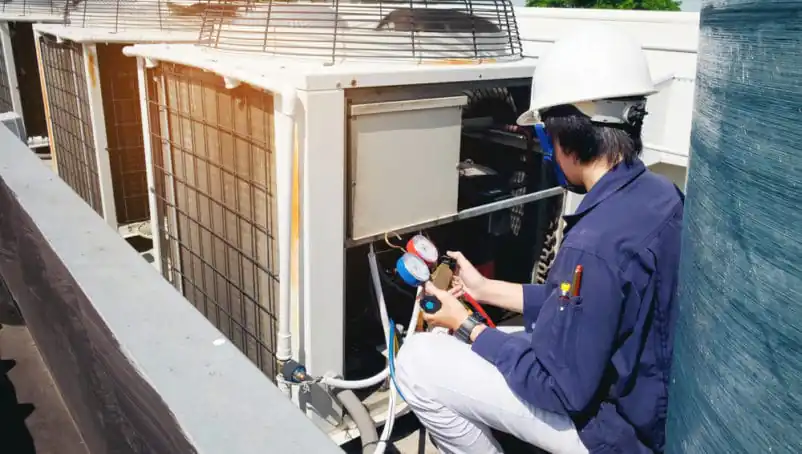
HVAC contractor license work is one of the fastest-growing skilled trades today, with strong demand in homes, commercial buildings, factories, and construction projects. Many people who are starting a trade career also look up how to become a licensed electrician because both careers follow a similar path of training, hands-on experience, and passing state exams. These trades are important because they keep buildings safe, comfortable, and working properly. Without trained workers, systems like heating, cooling, and electrical power would not function safely or efficiently.
Online HVAC exam prep and continuing education courses help students and contractors by making the licensing process easier to understand. Instead of feeling confused by state rules and exam topics, learners get clear lessons, practice tests, and study materials that help them move step by step toward becoming licensed professionals.
Understanding HVAC License Requirements and Career Basics
What an HVAC license is and why it matters
An HVAC license is an official approval from the state that allows a technician to legally work on heating, ventilation, and air conditioning systems. This license proves that a person has learned the correct skills to handle tools, install equipment, fix problems, and follow safety rules. It also shows that the technician understands building codes and knows how to work in a safe and responsible way.
Having a license is very important because it builds trust with customers and employers. Many companies only hire licensed workers because it lowers risk and ensures quality work. It also helps technicians qualify for higher-paying jobs, more stable work, and even the chance to start their own business in the future.
Basic requirements before applying
Before applying for an HVAC license, most states require candidates to complete several basic steps. These requirements help make sure that every worker has enough training and experience before working independently. Even though rules can vary by location, the general process is often similar.
Most applicants must finish classroom training or technical school programs where they learn the basics of HVAC systems. After that, they usually need hands-on experience through apprenticeships or supervised work. This real-world training is very important because it teaches how to handle actual job situations, not just theory.
In addition, many states require applicants to be at least 18 years old and have a basic understanding of safety rules and construction standards. These early steps help prepare students for the more advanced parts of the licensing process.
Experience and exams by state
Each state has its own rules for HVAC licensing, which means the requirements are not the same everywhere. Some states require more years of experience, while others focus more on passing exams. Because of this, it is important for applicants to check their local state board before starting the process.
In most cases, applicants must complete a set number of work hours under the supervision of a licensed HVAC technician. This helps them gain real experience in installation, repair, and system maintenance. After meeting the experience requirement, they must take a technical exam that covers important topics such as system design, safety procedures, troubleshooting, and energy efficiency.
Many states also require a business or law exam. This test focuses on contracts, licensing rules, and basic business knowledge. Passing both exams is usually required before a license is issued.
Documentation needed
When applying for an HVAC license, proper documentation is required to prove training, experience, and identity. These documents are used by the state licensing board to confirm that the applicant meets all requirements.
Common documents include proof of work experience, such as letters from employers or apprenticeship records. Applicants may also need to submit certificates from training programs or trade schools. Exam score reports are also required to show that the applicant has passed all necessary tests.
In some states, proof of insurance or bonding may also be needed before the license is officially granted. Keeping all documents organized and ready can help prevent delays and make the application process much smoother and less stressful.
Training, Exams, and Continuing Education Support
How exam prep helps success
Preparing for an HVAC licensing exam can feel difficult without proper guidance because the test covers many technical topics. A structured study plan makes it easier to focus on what is important and avoid wasting time on less relevant material.
Online exam preparation tools help simplify the learning process. These include practice exams that simulate real test conditions, allowing students to become familiar with the question style and timing. Study guides break down complex topics into simple lessons, making them easier to understand.
Video lessons also help visual learners by showing real examples of HVAC systems and repair processes. With consistent practice and the right tools, students can build confidence and improve their chances of passing the exam on the first try.
Continuing education for license renewal
After getting an HVAC license, technicians must complete continuing education to keep their license active. This requirement ensures that workers stay updated with new technologies, safety rules, and building code changes that happen over time.
Most states require a certain number of continuing education hours for each renewal period. These courses may include topics like energy efficiency, refrigerant handling, electrical safety, and updated construction standards. Because the industry changes often, staying updated helps technicians do their job safely and correctly.
Many states now allow online continuing education, which makes it easier for working professionals to complete their requirements without leaving their job. This flexibility helps technicians stay compliant while still managing their work schedule.
Study tips for HVAC exams
Studying for an HVAC exam becomes easier when you follow a steady and organized plan. Instead of trying to learn everything at once, it is better to study in small sessions over time. This helps the brain remember information more clearly.
Practice tests are very helpful because they show which topics need more attention. Reviewing wrong answers helps improve understanding and avoid repeating mistakes. It is also useful to follow the official exam outline provided by the state so you can focus on the exact topics that will appear on the test.
Combining hands-on work with study time is also very effective. When you apply what you learn in real situations, it becomes easier to remember and understand technical concepts.
Online courses for HVAC preparation
Online courses for HVAC licensing exams and continuing education are designed for people who need flexibility while studying. These programs are built for busy students and working professionals who need to learn at their own pace.
The program includes state-specific materials that match local licensing rules and exam topics. This helps students focus only on what they need to know for their area. Self-paced learning means you can study anytime, whether at home, during breaks, or after work.
Practice exams are included to help prepare for the real test environment. Continuing education modules also make it easy to complete renewal requirements without stress. Overall, these courses are designed to support long-term success in the HVAC field.
Final thoughts
Building a career in HVAC takes time, effort, and the right training, but it is a strong and stable career path. By understanding licensing requirements, gaining experience, and preparing properly for exams, you can move forward step by step. Continuing education also helps you stay updated and competitive in the industry.
With the right resources and structured learning tools, learners can access clear study materials, flexible courses, and exam preparation support that make the process easier. Whether you are just starting out or renewing your license, having the right guidance can help you succeed in your HVAC career.